

A specialist branch of Start Smart Tasmania

Diagnostic assessments and intervention for oral language and literacy difficulties, including Developmental Language Disorder (DLD), dyslexia and dysgraphia.

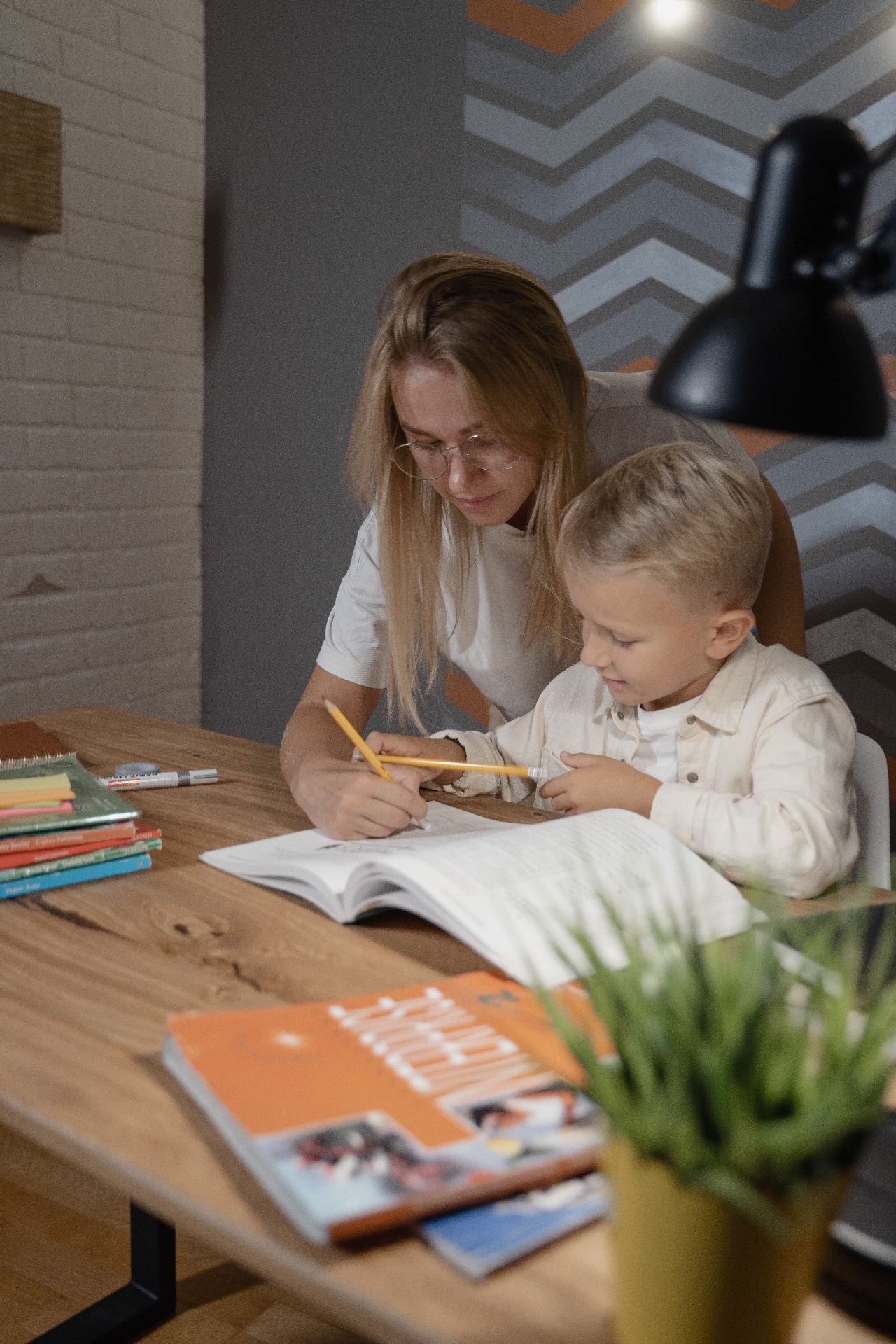
Speech pathologist working one-on-one with a young student

Every stone turned

Comprehensive assessments considering the whole child — strengths, needs and everything in between.

Evidence-informed support

Structured, individualised intervention delivered by speech pathologists and specialist teachers.

Specialist support for every learner

Speech pathologists and specialist teachers working together to improve language and literacy outcomes for Tasmanian children.

Diagnostic Assessments

Leaving no stone unturned

Our assessment service investigates oral language, reading, spelling and/or writing difficulties. We identify a student's strengths and areas of need, provide recommendations to guide future support, and determine whether a diagnosis may be appropriate.

We aim to consider everything that may be impacting a child's communication, language and literacy development, leaving 'no stone unturned'. We look at how oral language, literacy and related learning skills work together to build a comprehensive picture of each child's strengths and areas of need. Every family receives a clear written report with practical, evidence-based recommendations tailored to their child.

  • ◆ Comprehensive assessment of oral language, literacy and learning difficulties.
  • ◆ Clear diagnosis of DLD, dyslexia and/or dysgraphia, if appropriate.
  • ◆ Written report with practical, evidence-based recommendations.
Assessments available now
Speech pathologist assessing a young student
Therapist and student writing together at a desk

Intervention

Evidence-based support for oral language and literacy development

From individualised speech pathology intervention for oral language through to structured literacy programs, our services support students with a range of language and literacy difficulties. Together, our speech pathologists and specialist teachers provide coordinated support that reflects the close relationship between oral language, literacy and learning.

  • ◆ 1:1 sessions with specialist teachers and speech pathologists
  • ◆ Evidence-based intervention targeting oral language, reading and spelling
  • ◆ Regular progress monitoring
  • ◆ Practical strategies to support learning at home

Speech Pathology · 1:1

Oral Language Intervention

Strong oral language skills are essential for learning, literacy and social connection. Difficulties understanding and using language can affect classroom learning, reading comprehension, written expression and a child's ability to participate confidently in everyday activities.

Our speech pathologists provide individualised intervention to support students with language difficulties, including Developmental Language Disorder (DLD). Therapy may focus on vocabulary, sentence structure, understanding and using complex language, following instructions, reasoning, storytelling and communicating ideas effectively.

1:1 sessions

Literacy Intervention

Synthetic phonics intervention to address reading and spelling difficulties. This explicit, structured and multisensory approach supports the development of accurate, fluent reading and confident spelling. It is suitable for students of all ages who are experiencing difficulties with written language, including those with dyslexia.

All specialist teachers and speech pathologists delivering this program have qualifications in either MSL (Multisensory Structured Language) or OG (Orton-Gillingham). Intervention is delivered through individual 1:1 sessions. Online sessions are available.

Small group

Phoneme Fun

Building the sound skills that support reading and spelling

Phonological awareness skills are essential building blocks for learning to read and spell. Phoneme Fun provides explicit, engaging support to help children develop skills such as breaking words into syllables, recognising rhyme, blending sounds and segmenting words.

This small group program helps children strengthen the sound-based skills that underpin early literacy development.

Small group

Morphology Matters

Morphemes — prefixes, suffixes and base or root words — are the smallest meaningful units of language. Understanding how words are built supports spelling, vocabulary development and reading comprehension.

Morphology Matters is designed for students who have developed foundational reading and spelling skills and are ready to extend their understanding of how words work, including students who have completed our 1:1 written language program.

1:1 session

Assistive Technology Training

For students experiencing written language difficulties, assistive technology can provide valuable support for accessing the curriculum and demonstrating their knowledge. This 1:1 session helps students develop practical skills using tools such as text-to-speech and speech-to-text technology.

Ages 11–14 · Small group

NoticeAbility

NoticeAbility is an entrepreneurship program designed for students with dyslexia. It supports students to recognise their strengths, explore their interests and develop confidence in their unique ways of thinking and problem-solving.

The program runs for 90 minutes, twice a week for one term.

October · 90 min

Dyslexia Awareness Workshops

Held during Dyslexia Awareness Month in October, this small group session supports students with dyslexia to better understand their learning profile, recognise their strengths, explore strategies that support learning and develop self-advocacy skills.

Take-home reading

Book Lending Library

We offer a Book Lending Library with a range of reading options to support students at different stages of their reading journey:

  • ◆ Decodables: Supporting the development of foundational phonics and word-reading skills.
  • ◆ Authentic books: Encouraging enjoyment of reading through rich stories, vocabulary and natural language.
  • ◆ Graphic novels: Providing an engaging entry point for readers who may benefit from reduced reading demands while developing comprehension and confidence.

Extra reading opportunities

Dusty, our Reading Dog in training

Dusty is our Reading Dog in training. This friendly groodle loves people, cuddles and being part of the action.

He is currently working hard on his training so that, when he is ready, he can provide students with a calm, supportive and non-judgemental audience as they practise their reading. Dusty won't mind if a word is tricky or a sentence needs to be read twice — he'll simply listen, enjoy the attention and be there to cheer each reader on.

He is already looking forward to meeting the students and becoming their four-legged reading buddy!

Dusty, a cream groodle and Reading Dog in training
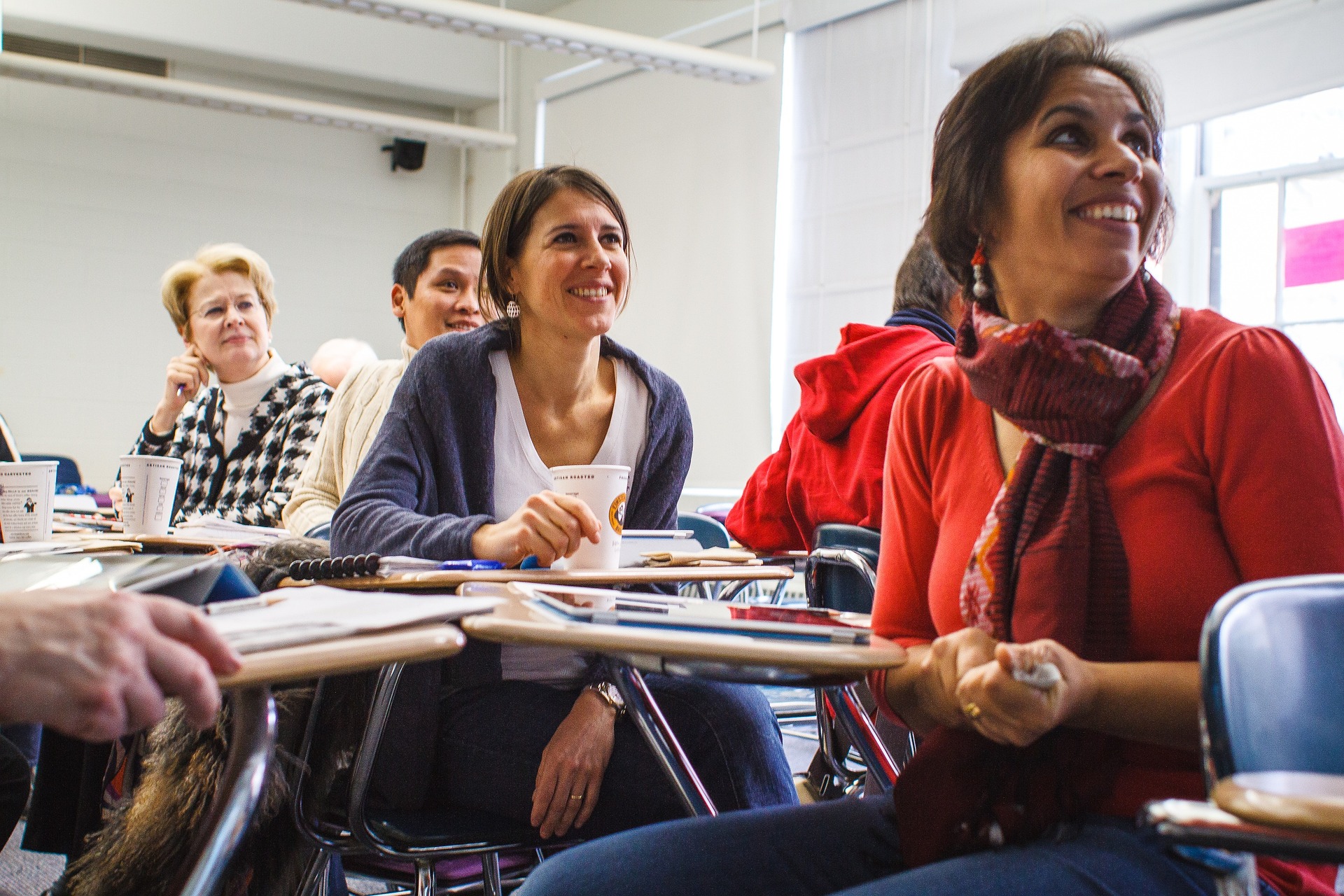
Educators smiling during a professional learning workshop

For schools & educators

Professional learning through Start Smart Tasmania

We deliver practical, evidence-informed professional learning for teachers, teacher aides and early childhood educators. Sessions are designed to build understanding and provide practical strategies to support children's communication, language and literacy development.

Workshop topics include Dyslexia 101, Sound Foundations, From Sentences to Sounds and selected Hanen programs.

Full details are available on the Start Smart Tasmania website.

View professional learning ↗

About Us

A conversation that grew into something bigger

Start Smart Tasmania was established in 2017 when speech pathologist, Tania Innes, and teacher, Clare Weare, sat down to discuss how they could bring their complementary skills together to better support children's language and literacy development. That initial conversation grew into a practice that now offers a range of speech pathology and education services to Launceston and the surrounding regions of Tasmania.

Today, Launceston Language and Literacy Services brings together speech pathologists and specialist teachers, combining knowledge of communication, language and literacy to provide coordinated support for children and families. We recognise that oral language and literacy are closely connected, and every family who walks through our door is supported by a team that understands how these areas influence one another and contribute to learning.

What we believe

  • ◆ Every child deserves an assessment that leaves no stone unturned.
  • ◆ Intervention should be explicit, structured, multisensory and informed by the best available evidence.
  • ◆ Families are partners — clear communication matters at every step.

Get in touch

Not sure where to start?

Reach out and we can help you understand what support may be most appropriate for your child. We will work with you to identify the next steps, whether that involves assessment, intervention or further guidance.